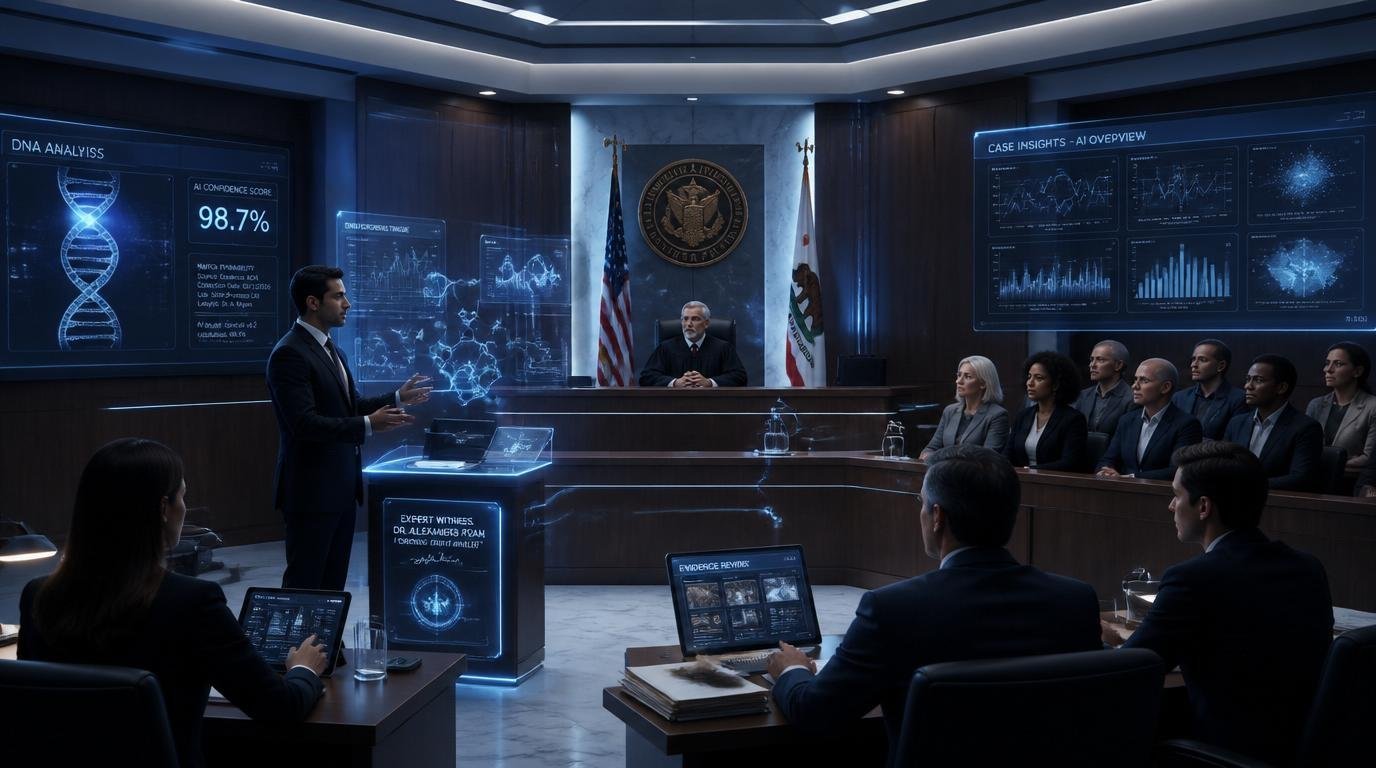
Introduction: A Changing Legal Landscape in 2026
The legal system in 2026 is not what it used to be. Courtrooms are no longer driven only by traditional arguments and witness statements. Instead, they are shaped by data, science, and highly specialized knowledge. At the center of this transformation are expert witnesses who help courts interpret complex technical information in a meaningful way.
In today’s fast-moving legal environment, the demand for clarity, precision, and credibility has never been higher. Legal professionals are expected to build stronger arguments supported by verified expertise, while judges and juries rely more heavily on specialist insights to reach fair decisions.
This shift has made litigation more structured but also more challenging. Legal strategy is no longer just about presenting facts; it is about presenting facts that are scientifically and technically validated. Understanding this evolution is essential for anyone involved in modern legal processes.
The Evolving Role of Experts in Legal Strategy
Legal strategy has undergone a significant transformation over the past few years. Lawyers are no longer working in isolation when building cases. Instead, they collaborate closely with professionals who can break down complex subjects into understandable insights.
Expert witnesses now play a strategic role from the earliest stages of case preparation. Their input helps shape arguments, identify weaknesses, and strengthen evidence before it even reaches the courtroom. This early involvement has changed how cases are structured and presented.
One of the most important developments in expert witness news is the increasing emphasis on pre-trial analysis. Experts are now used to evaluate evidence long before litigation begins, helping legal teams decide whether a case is strong enough to proceed or settle.
This shift has made litigation more efficient but also more dependent on specialized knowledge.
Why Modern Litigation Demands Specialized Expertise
Modern legal disputes are far more complex than they were in the past. Cases today often involve digital systems, financial algorithms, medical technologies, and scientific research. These are not areas that can be understood through general knowledge alone.
Because of this complexity, courts rely heavily on expert interpretation. A single case may require multiple specialists working together to provide a full picture of the situation. For example, a cybercrime case might involve digital analysts, data security experts, and behavioral specialists.
This growing dependence on expertise raises an important question: how can courts ensure that expert opinions remain reliable and unbiased?
The answer lies in stricter evaluation standards and improved cross-examination techniques. Experts are now expected to clearly explain not just their conclusions, but also the methods they used to reach them.
The Importance of Clear Communication in Courtrooms
One of the biggest challenges in modern litigation is communication. Experts often deal with highly technical information, but they must present it in a way that judges and juries can understand.
This is where clarity becomes just as important as expertise. A well-qualified expert who cannot communicate effectively may struggle to make an impact in court. On the other hand, an expert who simplifies complex ideas without losing accuracy can significantly influence the outcome of a case.
Legal teams now prioritize communication skills when selecting experts. The ability to explain findings in plain, structured language is considered just as valuable as technical knowledge.
This shift reflects a broader change in litigation strategy, where understanding is prioritized over complexity.
Technology and Its Impact on Legal Decision-Making
Technology has become a driving force in modern legal systems. From artificial intelligence to digital forensics, advanced tools are now used to gather and analyze evidence at unprecedented levels of detail.
Experts are expected to work alongside these technologies, interpreting results and ensuring their accuracy. However, this also introduces new challenges. Machine-generated data must be carefully evaluated, as even small errors in algorithms or input data can lead to misleading conclusions.
Legal professionals are becoming more cautious about relying entirely on automated systems. Instead, human expertise is used to validate and interpret technological findings.
This balance between technology and human judgment is now a central part of legal strategy. It ensures that decisions are both efficient and accurate.
Credibility and Trust in Expert Testimony
In modern litigation, credibility is everything. Courts are becoming more aware of potential bias and are taking steps to ensure that expert testimony remains impartial.
Experts are now expected to provide full transparency regarding their methods, background, and any potential conflicts of interest. This level of scrutiny helps maintain fairness in legal proceedings.
Another important development is the growing emphasis on consistency. If an expert has provided different opinions in similar cases, their credibility may be questioned.
This increased focus on trust has reshaped how experts prepare for court appearances. Every detail matters, from how evidence is collected to how conclusions are presented.
In discussions surrounding expert witness news, credibility remains one of the most critical factors influencing legal outcomes.
The Role of Expert Analysis in Case Strategy
Expert analysis is no longer limited to supporting evidence in court. It now plays a central role in shaping entire legal strategies.
Before a case even reaches trial, experts help legal teams understand the strengths and weaknesses of their position. This allows lawyers to adjust their arguments, gather stronger evidence, or even reconsider pursuing litigation.
During the trial itself, expert testimony can influence how evidence is interpreted. A well-explained analysis can shift the direction of a case by providing clarity on complex issues.
After the trial, expert feedback is often used to improve future legal strategies. This continuous cycle of learning and adaptation has made expert involvement a long-term asset in legal practice.
Challenges Facing Expert Witnesses Today
Despite their importance, expert witnesses face several challenges in modern litigation. One of the biggest issues is maintaining neutrality in highly contested cases. When both sides hire experts, conflicting opinions can create confusion rather than clarity.
Another challenge is the increasing pressure to simplify complex findings. While clarity is essential, oversimplification can sometimes distort the original meaning of technical data.
There is also growing scrutiny from opposing legal teams, who are better equipped than ever to challenge expert findings using their own specialists and tools.
These challenges require experts to be not only knowledgeable but also adaptable, transparent, and highly disciplined in their approach.
The Future of Legal Strategy and Expert Involvement
Looking ahead, expert involvement in litigation is expected to grow even further. As legal cases become more data-driven, the demand for specialized knowledge will continue to increase.
Artificial intelligence, machine learning, and predictive analytics are likely to become even more integrated into legal processes. However, human expertise will remain essential for interpreting results and ensuring fairness.
Legal strategy in the future will likely focus more on collaboration between lawyers and experts from the very beginning of a case. This integrated approach will help build stronger, more accurate, and more reliable legal arguments.
At the same time, courts will continue refining standards to ensure that expert testimony remains trustworthy and unbiased.
Conclusion: Expertise as the Foundation of Modern Justice
Modern litigation is no longer just about arguing facts—it is about understanding them deeply. Expert witnesses have become essential contributors to legal strategy, helping bridge the gap between complex knowledge and courtroom decision-making.
As the legal system continues to evolve, the role of expertise will only become more important. Accuracy, clarity, and trust will remain the foundation of effective testimony, ensuring that justice is based on well-informed understanding rather than assumption.
In this rapidly changing environment, staying informed through expert witness news helps legal professionals and observers alike keep pace with developments shaping the future of law.
Ultimately, success in modern litigation depends on one key factor: the ability to turn complexity into clarity while maintaining absolute integrity in every conclusion.