Technology is moving faster than ever. What felt innovative a year ago is already becoming standard, and 2026 is set to bring even bigger shifts. Businesses, professionals, and everyday users are all being influenced by smarter systems, stronger connectivity, and more human-centered digital experiences.
For readers of TechForbess, staying ahead of these changes is not just about curiosity; it’s about understanding how technology will impact work, security, communication, and growth in the near future. Below are the top 10 emerging tech trends that are expected to shape 2026 in meaningful ways.
1. Artificial Intelligence Becomes More Human-Aware
Artificial intelligence is moving beyond automation and predictions. By 2026, AI systems are becoming more context-aware, emotionally responsive, and adaptive to human behavior. Instead of simply following commands, these systems can understand intent, tone, and preferences.
This shift will improve customer support, healthcare diagnostics, content creation, and decision-making tools. AI will feel less like software and more like a smart assistant that learns continuously without constant manual input.
2. Rise of Autonomous Business Operations
Automation is no longer limited to simple tasks. In 2026, entire workflows are being managed with minimal human involvement. From inventory planning to financial forecasting, autonomous systems can analyze data, make decisions, and execute actions in real time.
This trend helps businesses reduce operational costs and human error while increasing speed and accuracy. Many organizations working with Hub2technologies are already preparing for this level of automation to stay competitive in fast-moving markets.
3. Edge Computing Takes Center Stage
As data usage grows, sending everything to centralized cloud servers is becoming inefficient. Edge computing solves this by processing data closer to where it is generated. In 2026, this approach is becoming essential for real-time applications.
Smart cities, industrial sensors, healthcare monitoring devices, and connected vehicles all rely on edge computing to reduce latency and improve reliability. It enables faster responses and stronger data control without overloading networks.
4. Cybersecurity Shifts to Predictive Defense
Traditional cybersecurity reacts to threats after they appear. In 2026, the focus is shifting toward predictive defense. Advanced security systems analyze behavior patterns to identify potential risks before an attack happens.
This proactive approach protects sensitive data, financial systems, and digital identities more effectively. As cyber threats become more complex, predictive security is becoming a core requirement rather than an optional upgrade.
5. Extended Reality Enters Daily Workflows
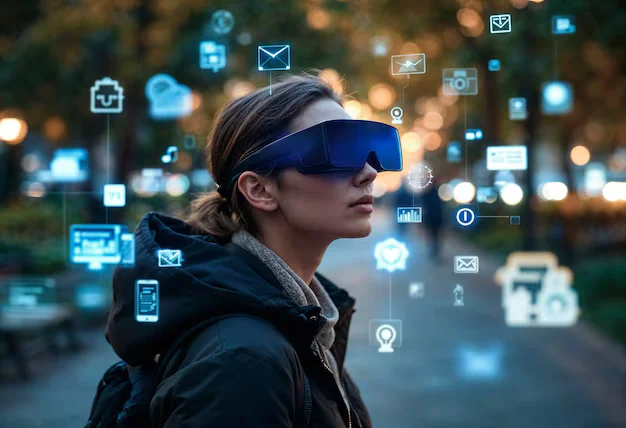
Extended Reality, including virtual and augmented experiences, is moving beyond entertainment. In 2026, these technologies are reshaping training, collaboration, and remote work.
Employees can attend virtual meetings in immersive environments, technicians can receive real-time visual guidance, and students can learn through interactive simulations. These experiences feel natural and practical, helping users understand complex tasks faster and more effectively.
6. Sustainable Technology Becomes a Priority
Environmental responsibility is influencing technology design more than ever. In 2026, energy-efficient systems, eco-friendly hardware, and sustainable data centers are becoming standard expectations.
Companies are investing in technologies that reduce power consumption and carbon impact while maintaining performance. This trend aligns innovation with long-term responsibility, proving that growth and sustainability can work together.
7. Smarter Internet of Things Ecosystems
The Internet of Things is evolving into connected ecosystems rather than isolated devices. In 2026, smart homes, factories, and cities are becoming more synchronized, with devices sharing data seamlessly.
These ecosystems allow predictive maintenance, optimized energy usage, and improved user experiences. Instead of managing devices individually, users interact with unified systems that adapt automatically to changing conditions.
8. Blockchain Expands Beyond Finance
Blockchain is no longer limited to digital currencies. By 2026, it is widely used for identity verification, supply chain tracking, secure data sharing, and digital ownership.
Its transparent and tamper-resistant structure builds trust in digital interactions. This makes blockchain valuable for industries that require accountability, privacy, and secure record-keeping without relying on centralized control.
9. No-Code and Low-Code Development Goes Mainstream
Software development is becoming more accessible. No-code and low-code tools allow users to build applications without deep programming knowledge. In 2026, these tools are empowering entrepreneurs, small businesses, and non-technical teams.
This trend speeds up innovation and reduces dependency on large development teams. It allows ideas to turn into working solutions quickly, encouraging experimentation and creativity across industries.
10. Hyper-Personalized Digital Experiences
Users now expect technology to adapt to them, not the other way around. In 2026, personalization goes far beyond basic recommendations. Systems analyze behavior, preferences, and context to deliver tailored experiences in real time.
From content feeds to business dashboards, personalization improves engagement and satisfaction. This approach helps companies build stronger relationships with users by offering exactly what they need at the right moment.
Why These Trends Matter Going Forward
The technologies shaping 2026 are not isolated innovations. They work together to create smarter, faster, and more human-focused digital environments. Businesses that understand these trends early can make better strategic decisions and avoid falling behind.
Readers exploring future-ready insights on TechForbess will notice that success is no longer about adopting every new tool. It’s about choosing the right technologies that align with real goals, user needs, and long-term growth.
Final Thoughts
The year 2026 represents a turning point where technology becomes deeply integrated into daily life and business strategy. Artificial intelligence feels more intuitive, systems operate with greater independence, and digital experiences become more personal and secure.
By keeping an eye on these emerging trends, individuals and organizations can prepare for what’s next instead of reacting too late. The future of technology is not distant anymore. It is already taking shape, and understanding it today is the key to thriving tomorrow.