Living in a small home can be both cozy and challenging. While limited space may feel restrictive, smart interior design solutions can transform even the smallest area into a functional, stylish, and comfortable living space. With clever planning and creativity, modern small homes can feel spacious, organized, and tailored to your lifestyle. In this article, we explore practical and contemporary interior design ideas to maximize every square foot.
Understanding the Challenges of Small Spaces
Small homes present unique challenges, from limited storage to tight layouts. Clutter can quickly accumulate, making spaces feel cramped and chaotic. In addition, small homes often require multifunctional areas that can serve different purposes throughout the day. Understanding these challenges is the first step in applying effective design solutions that combine style, efficiency, and comfort.
Maximizing Space with Smart Furniture Choices
Choosing the right furniture is essential for small home design. Opt for pieces that serve multiple functions. For example, a sofa bed provides seating during the day and a sleeping area at night, while a coffee table with built-in storage can hold books, magazines, or other essentials. Foldable and stackable furniture options are also valuable for flexibility, allowing spaces to adapt to different activities.
Built-In Storage Solutions
Custom-built storage solutions are a game-changer in small homes. Shelving units, cabinets, and closets can be tailored to fit awkward corners or underused spaces. Vertical storage is particularly effective, as it draws the eye upward and creates the illusion of higher ceilings. Using built-ins reduces clutter and ensures that every inch of your home is functional without overcrowding.
Light and Color Strategies
Lighting and color play a major role in making small spaces feel larger. Light-colored walls and ceilings reflect more light, creating an airy and open atmosphere. Neutral tones combined with strategic pops of color can add personality without overwhelming the space. Mirrors are another powerful tool—they bounce light around the room, enhance depth perception, and make rooms appear more spacious.
Natural Light Optimization
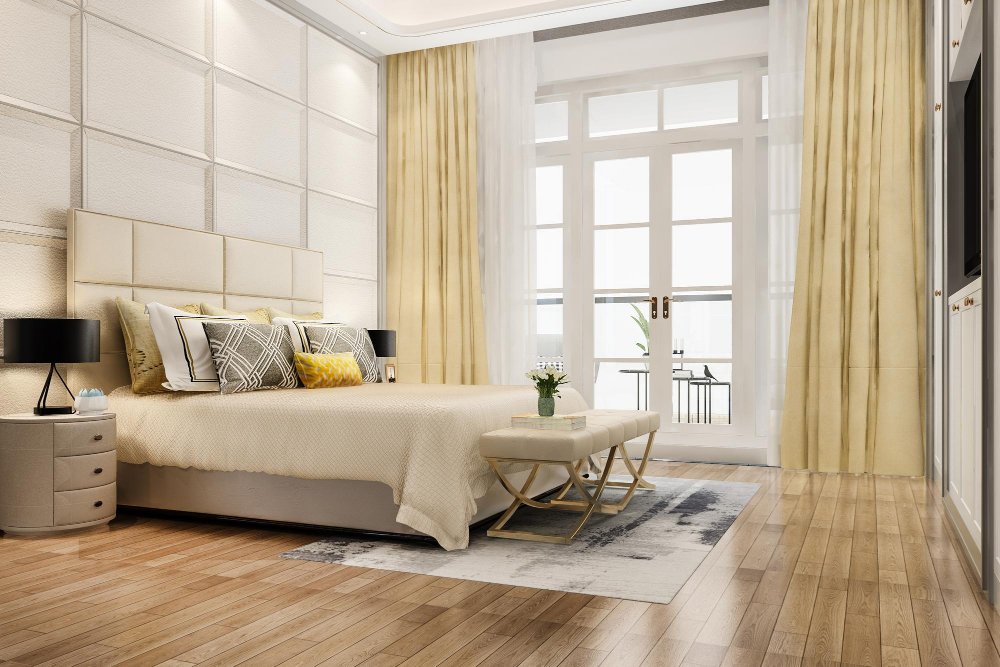
Maximizing natural light is critical in small homes. Keep windows unobstructed and choose light, sheer curtains to allow sunlight to flow freely. Skylights or larger window panes can also dramatically improve natural lighting, reducing the need for artificial light during the day and creating a vibrant, welcoming environment.
Multifunctional Rooms
In modern small homes, rooms often need to serve multiple purposes. A dining area may double as a workspace, or a living room might incorporate a sleeping area for guests. The key is flexibility. Use foldable partitions, sliding doors, or movable screens to create temporary separations that maintain openness while providing privacy when needed. Multifunctional rooms make small homes versatile and adaptable to different lifestyle needs.
Smart Kitchen Design
Kitchens in small homes require thoughtful planning. Opt for vertical storage, pull-out cabinets, and compact appliances that save space without sacrificing functionality. Open shelving keeps items visible and accessible, while also adding a sense of openness. Lighting under cabinets brightens workspaces and enhances the overall look of the kitchen.
Creative Counter Solutions
Consider multi-level counters or foldable surfaces to increase functionality. A kitchen island with storage underneath or a breakfast bar that doubles as a workspace can optimize space efficiently. Clever countertop solutions allow cooking, dining, and socializing to coexist comfortably in a compact kitchen area.
Bathroom Efficiency
Bathrooms in small homes often lack space but can still be stylish and functional. Wall-mounted sinks, toilets, and storage units free up floor space and create a modern, clean look. Glass shower doors instead of curtains open up the room visually. Choosing light colors and adding large mirrors enhances the perception of space, making even the tiniest bathroom feel airy.
Decluttering and Organization
Clutter is the enemy of small spaces. Maintaining organization is critical to achieving a clean, functional home. Regularly assess belongings and store only essential items. Storage bins, baskets, and drawer organizers keep everyday items neatly arranged. Open shelving for frequently used items and concealed storage for less-used objects ensures the home remains tidy without compromising accessibility.
Incorporating Technology
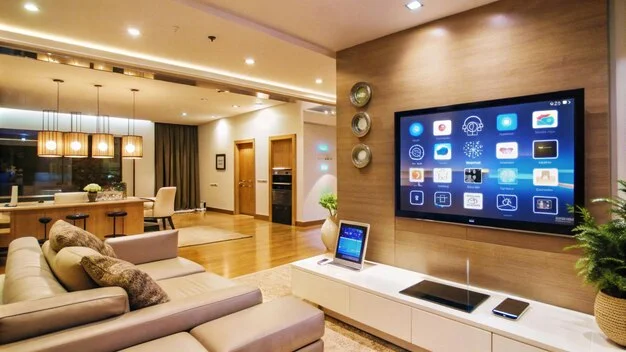
Modern interior design solutions often include technology to optimize space and functionality. Smart lighting systems, automated blinds, and space-saving appliances enhance convenience while reducing physical clutter. For instance, wireless charging stations and compact entertainment systems minimize cords and bulky equipment, making small rooms feel sleek and organized.
Eco-Friendly and Energy-Efficient Design
Sustainable choices are increasingly important in small home design. Use energy-efficient appliances, LED lighting, and materials with low environmental impact. Eco-friendly design not only reduces your carbon footprint but can also save money in the long term, particularly in compact homes where efficiency is critical.
Personal Touches and Style
Even in a small home, personalization is key. Displaying meaningful art, photos, or decor items adds character without overwhelming the space. Platforms like momentstransfer com offer creative ways to showcase memories digitally or through customized decor, adding a personal touch that feels thoughtful and curated. The trick is to choose a few standout pieces rather than crowding surfaces with too many items.
Renovation Tips for Small Homes
Renovations can drastically improve both the look and function of small homes. When considering upgrades, focus on solutions that increase usable space and natural light. Combining rooms where appropriate, installing built-in furniture, or replacing bulky features with compact alternatives can make a significant difference. Prioritize renovations that solve specific spatial challenges rather than merely aesthetic upgrades, ensuring every investment enhances livability.
Conclusion
Smart interior design solutions can turn a small home into a functional, stylish, and comfortable space. By using multifunctional furniture, optimizing storage, maximizing natural light, and incorporating technology, small homes can feel larger and more inviting. Thoughtful renovation tips and personalized decor choices further enhance the living experience. With careful planning and creativity, modern small homes can achieve a perfect balance of efficiency, style, and comfort, proving that limited space does not mean limited possibilities.