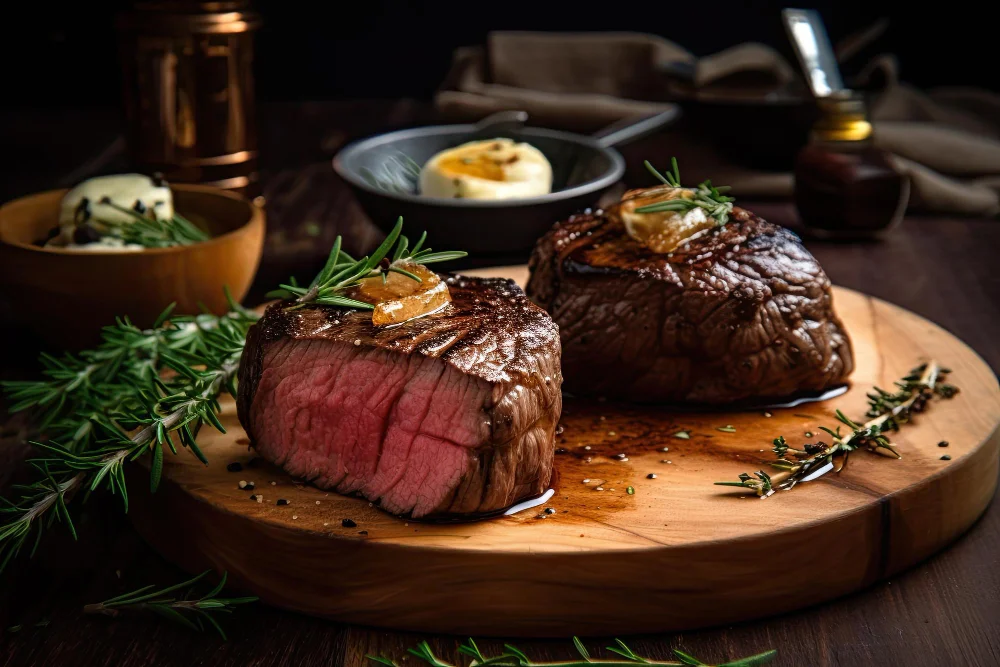
Chateaubriand is one of the most well-known and respected steak dishes in the world. When people hear this name, they often think of luxury, fine dining, and a rich food tradition. Even though the name sounds complex, chateaubriand is actually based on a simple idea: using the best part of beef and preparing it with care.
This article explains chateaubriand in a clear and easy way. You will learn what it is, where it comes from, how it is prepared, how it is served, and why it continues to hold a special place in food culture.
What Is Chateaubriand
Chateaubriand is a thick cut of beef taken from the center of the beef tenderloin. The tenderloin is the most tender part of the cow, which is why this dish is known for its softness and smooth texture.
Unlike regular steaks that are cut into single portions, chateaubriand is usually large enough to be shared by two people. It is carefully trimmed and cooked as one piece, then sliced before serving.
Where the Name Chateaubriand Comes From
The name chateaubriand comes from France and is often linked to a French writer and diplomat named François-René de Chateaubriand. According to food history stories, his personal chef created this special dish for him in the early 19th century.
Whether the story is fully accurate or not, the name became associated with a premium beef dish prepared with elegance and skill. Over time, chateaubriand became a symbol of classic French cooking.
What Cut of Beef Is Used for Chateaubriand
Chateaubriand comes from the thick center portion of the beef tenderloin. This section is prized because:
- It has very little fat
- It is extremely tender
- It cooks evenly when handled correctly
Because the tenderloin is a small muscle, chateaubriand is considered a special dish rather than an everyday meal.
Why Chateaubriand Is So Tender
The tenderness of chateaubriand comes from the location of the muscle. The tenderloin does very little work while the animal is alive, which means the muscle fibers stay soft.
This natural softness allows the meat to be cooked without becoming chewy or tough. When prepared properly, chateaubriand almost melts in the mouth.
How Chateaubriand Is Traditionally Cooked
Traditional preparation focuses on simplicity and control. The goal is to highlight the natural quality of the beef rather than hide it under heavy seasoning.
Common Cooking Steps
- The beef is brought to room temperature
- It is seasoned lightly with salt and pepper
- The outside is seared to create a crust
- The meat is finished gently, often in an oven
- It rests before slicing to keep juices inside
This method helps keep the inside evenly cooked while maintaining a rich outer flavor.
Preferred Cooking Level for Chateaubriand
Chateaubriand is most commonly served medium-rare or medium. This level keeps the center juicy and tender.
Cooking it too much can reduce its softness, which is why careful timing is important. Because the cut is thick, slow and controlled cooking works best.
How Chateaubriand Is Served
Chateaubriand is usually sliced into thick pieces and served on a warm plate. It is often shared, making it a social dish rather than an individual portion.
Traditional Side Dishes
Chateaubriand is commonly served with:
- Roasted or fried potatoes
- Seasonal vegetables
- Simple salads
These sides support the dish without overpowering the flavor of the beef.
Classic Sauces Served with Chateaubriand
While the beef itself is the main focus, sauces are often served on the side.
Popular sauces include:
- Béarnaise sauce
- Pepper sauce
- Red wine reduction
These sauces add richness but are usually optional so diners can enjoy the beef on its own.
Chateaubriand vs Regular Steak
Chateaubriand differs from regular steaks in several ways.
Size and Shape
Chateaubriand is thicker and larger, meant for sharing rather than single servings.
Cut Location
It comes from the center of the tenderloin, while many steaks come from other parts of the cow.
Dining Style
It is often served in fine dining settings and prepared with more ceremony.
Is Chateaubriand Always Expensive
Chateaubriand is often more expensive than standard steaks, but the price reflects:
- Limited availability of the cut
- High tenderness
- Careful preparation
Because it is meant for sharing, the cost is sometimes more reasonable when split between diners.
Chateaubriand in Modern Cooking
Today, chateaubriand is prepared in both traditional and modern ways. Some chefs stick closely to classic methods, while others experiment with new flavors and presentations.
Modern approaches may include:
- Different seasoning blends
- Alternative cooking techniques
- Creative plating styles
Despite these changes, the heart of the dish remains the same: high-quality beef cooked with respect.
Can Chateaubriand Be Cooked at Home
Yes, chateaubriand can be cooked at home with good results if care is taken.
Tips for Home Cooking
- Buy high-quality beef from a trusted source
- Use a meat thermometer for accuracy
- Allow the meat to rest before slicing
- Keep seasoning simple
With patience and attention, home cooks can achieve restaurant-style results.
Common Mistakes When Cooking Chateaubriand
Some common mistakes include:
- Cooking straight from the fridge
- Over-seasoning
- Skipping resting time
- Cooking at too high a temperature
Avoiding these mistakes helps preserve tenderness and flavor.
Why Chateaubriand Is Considered a Special Occasion Dish
Chateaubriand is often reserved for celebrations or formal dinners. This is because it represents:
- Quality over quantity
- Careful preparation
- A shared dining experience
It is not just about eating meat, but about enjoying a well-prepared meal with others.
Cultural Importance of Chateaubriand
Chateaubriand holds an important place in French-inspired cuisine. It reflects values such as balance, simplicity, and respect for ingredients.
Over time, it has become known worldwide and appears on menus far beyond France.
How to Choose the Best Chateaubriand Cut
When selecting chateaubriand, look for:
- Even thickness
- Bright, fresh color
- Minimal visible fat
- Clean trimming
Quality at this stage greatly affects the final result.
Is Chateaubriand Healthy
Chateaubriand is high in protein and contains important nutrients such as iron and vitamin B12. Because it is lean, it has less fat than many other cuts.
Moderation is still important, but when enjoyed occasionally, it can be part of a balanced diet.
Chateaubriand in Restaurants
In restaurants, chateaubriand is often prepared tableside or presented with care. This adds to the experience and emphasizes the dish’s importance.
Servers may explain the cut, the cooking method, and recommended sides, making it feel like a complete dining moment.
Final Thoughts
Chateaubriand is more than just a steak. It is a classic dish built on simplicity, quality, and tradition. Its tenderness, flavor, and presentation make it stand out among beef dishes.
Whether enjoyed at a restaurant or prepared at home, chateaubriand represents careful cooking and shared enjoyment. For those who appreciate fine food, it remains a timeless and respected choice.